
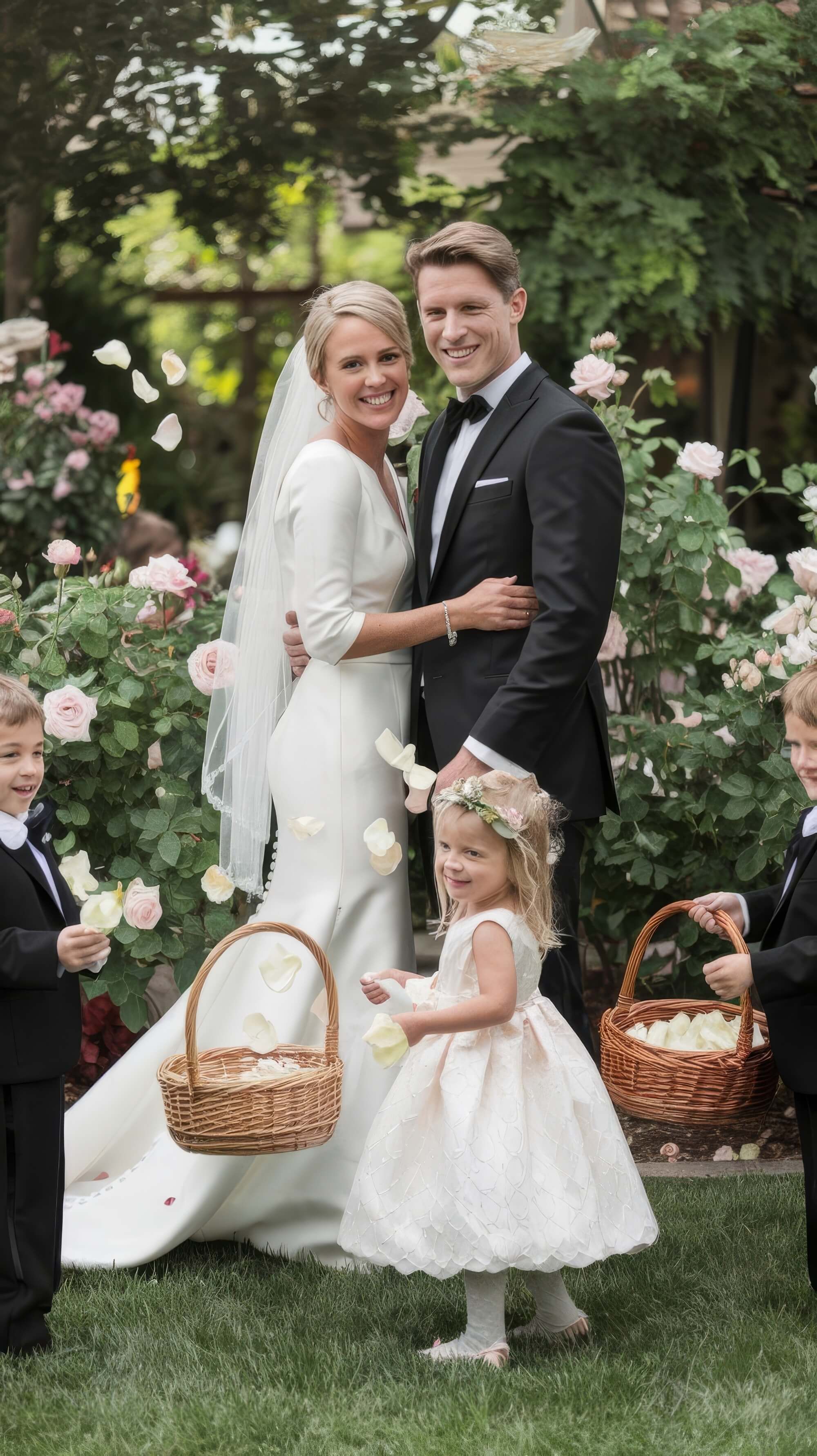
Second marriages often come with complexity that first marriages rarely face: children from previous relationships, assets accumulated over years, ongoing financial obligations to ex-spouses, and the hard-won wisdom that comes from experience. A prenuptial agreement isn't just advisable in these situations—it's often essential for protecting everyone's interests, including the children you're bringing into this new family structure.
If you're entering a second marriage or creating a blended family, a prenup isn't a pessimistic document. It's a practical tool that honours your past responsibilities while building a secure future together.
Why Second Marriages Are Different
Your first marriage likely began with two people who had relatively little: perhaps some savings, a car, maybe a starter property. You built your wealth together from the ground up, and the idea of separating "yours" from "mine" might have seemed unnecessary or even unromantic.
Second marriages start from an entirely different position.
You've accumulated assets: By the time people remarry, they're typically in their late 30s, 40s, or beyond. You may own property, have substantial pension provisions, hold investments, or run a business. These assets often represent decades of work—and in many cases, they're partly the result of your first marriage.
You have dependents: Children from your previous relationship depend on you financially, both now and potentially through inheritance. Your obligation to them doesn't diminish because you've found new happiness.
You carry financial responsibilities: Maintenance payments, child support, or financial settlements from your divorce continue regardless of your remarriage. Your new spouse needs to understand these commitments, and you need to protect your ability to meet them.
You've learned from experience: Having been through a divorce, you understand its emotional and financial costs. A prenup isn't about expecting history to repeat itself—it's about applying the lessons you've learned to protect everyone involved.
Protecting Your Children's Inheritance
This is often the primary motivation for prenups in second marriages, and it's entirely reasonable. You want your children from your first marriage to inherit what you've built for them, while also ensuring your new spouse is fairly provided for.
Without a prenup, complications arise:
Under English law, if you die without a will or adequate estate planning, your spouse has significant inheritance rights—potentially at the expense of your children. Even with a will, a surviving spouse can challenge it under the Inheritance (Provision for Family and Dependants) Act 1975, claiming they haven't been adequately provided for.
During a divorce, assets you intended for your children could be divided with your spouse, particularly if those assets have increased in value during the marriage or if you've commingled funds.
How a prenup protects inheritance:
A well-drafted prenup can clearly ringfence assets intended for your children, such as:
- Property you owned before the marriage
- Investments or savings earmarked for your children
- Life insurance policies with your children as beneficiaries
- Business interests you plan to pass to your children
- Family heirlooms or property with sentimental value
Important consideration: A prenup works alongside, not instead of, a comprehensive will and potentially a trust structure. Your solicitor can advise on the best combination of tools to protect your children's inheritance while ensuring your new spouse is also provided for fairly.
Balancing Fairness to Your New Spouse
Protecting your children's inheritance doesn't mean leaving your new spouse vulnerable or unprotected. A fair prenup acknowledges that your spouse deserves security, particularly if they're making sacrifices to join your family or if the marriage lasts for many years.
Considerations for fairness:
The marital home: If your new spouse moves into a property you own, what happens if the marriage ends or you die? Consider provisions that allow them to remain in the home for a period, or that provide them with alternative housing.
Standard of living: If your spouse gives up work to care for your children or support your career, the prenup should reflect this contribution. It's reasonable to include provisions that increase with the length of the marriage.
Age and employability: If your spouse is older or has limited career prospects, leaving them with nothing after a long marriage would likely be considered unconscionable by a court, potentially undermining the prenup.
Sunset clauses: Some prenups include provisions that change after a certain period (e.g., 10 or 20 years of marriage) or upon certain events (e.g., having children together), reflecting the increasing intertwining of your lives.
Example scenario: Your prenup might protect the £500,000 property you brought into the marriage as your children's inheritance, while ensuring your spouse receives the proceeds from any property you purchase together during the marriage, plus a cash settlement that increases with each year of marriage.
The goal is balance: protecting your children while treating your new spouse fairly and ensuring they're not left destitute if the marriage ends.
Navigating Blended Family Dynamics
Blended families introduce additional complexity. You're not just merging two lives—you're bringing together children, ex-spouses, different parenting styles, and competing financial obligations.
Common blended family scenarios:
Both partners have children from previous marriages: You each want to protect your own children's inheritance while building a new life together. The prenup needs to address assets from both sides fairly.
One partner has children, the other doesn't: The childless partner may feel the prenup is one-sided, protecting your children at their expense. Clear communication about motivations and fairness is crucial.
Adult children vs minor children: Adult children from your first marriage may have strong opinions about protecting "their" inheritance. While their concerns are understandable, the prenup is between you and your spouse—not your children.
Children you might have together: Will you have children in this marriage? How will they be treated relative to your existing children? A prenup can address this hypothetical scenario.
Financial contributions to stepchildren: If you'll be supporting your new spouse's children financially during the marriage, the prenup might address whether this contribution is considered when dividing assets in a divorce.
The family home challenge:
Perhaps the most emotionally charged issue in blended families is the home. If your children visit regularly, your home is part of their stability and childhood memories. Simultaneously, your new spouse wants to feel secure in their home, not like a temporary guest who could be evicted.
Solutions might include:
- Your spouse has the right to remain in the home until your youngest child reaches 18, after which the property is sold and proceeds divided
- The property is held in trust with specific provisions for both your spouse and children
- You purchase a new home together that becomes marital property, while your original property is ringfenced for your children
Addressing Ongoing Financial Obligations
Second marriages often involve continuing financial commitments from your first marriage that affect your new spouse's financial expectations.
Maintenance payments: If you're paying spousal or child maintenance to your ex-spouse, your new partner needs to understand this isn't discretionary spending—it's a legal obligation that impacts your household budget.
Pension sharing: If your pension was divided in your divorce, the portion that remains is what you're bringing to this new marriage. Your prenup should reflect this reduced pension provision.
Property ties: Perhaps you still jointly own property with your ex-spouse, or you've agreed they can remain in the former marital home until your children reach adulthood. These arrangements affect your current financial position.
Debt obligations: Some people emerge from divorce with debts—legal fees, settlement payments, or credit cards used during the separation. Your prenup should clarify that these pre-marital debts remain your sole responsibility.
Future inheritances: If you're expecting to inherit from your parents, but that inheritance is partially intended to compensate your children for the wealth lost in your divorce, your prenup can protect this.
Being transparent about these obligations isn't unromantic—it's respectful. Your new spouse deserves to understand the complete financial picture they're entering, and you deserve protection from claims against assets that are already encumbered.
The Conversation: Raising the Prenup Topic
If you're entering a second marriage, raising the prenup topic is often easier than in first marriages—you both understand that life is complex and protection is prudent. However, the conversation still requires care.
Effective approaches:
Lead with your children: "I hope you understand that I need to ensure my children from my first marriage are protected. It's not about you or us—it's about honouring my responsibilities to them."
Frame it as mutual protection: "We both have assets and responsibilities from our previous lives. A prenup protects both of us and provides clarity."
Acknowledge the awkwardness: "I know this isn't romantic, but we're both old enough to understand that love and practicality aren't mutually exclusive."
Be transparent about motivations: Don't hide behind vague language. If you're concerned about protecting your business or your children's inheritance, say so clearly.
Emphasise fairness: "I want to make sure you're protected and treated fairly, while also ensuring my obligations to my children are met."
What to avoid:
- Presenting a prenup as non-negotiable or already drafted without their input
- Comparing your new spouse unfavourably to your ex
- Suggesting the prenup is necessary because you don't trust them
- Leaving the conversation until shortly before the wedding
- Allowing your adult children to dominate or control the conversation
What Your Prenup Should Cover
A prenup for a second marriage typically addresses more issues than a first-marriage prenup. Beyond the standard provisions, consider including:
Pre-marital assets: Clear identification of what each person brings to the marriage—property, savings, investments, pensions, businesses.
Inheritance protection: Specific provisions ensuring your children from your first marriage will inherit designated assets.
The marital home: Detailed provisions about property, particularly if one person owns the home before marriage or if children from previous relationships will live there.
Assets acquired during marriage: Will you keep finances entirely separate, or will some assets be considered joint?
Business interests: If you own a business, protection ensuring your ex-spouse doesn't gain control or ownership, and that the business can continue to provide for your children.
Pension provisions: How pensions will be treated, particularly if yours was already divided in your divorce.
Spousal maintenance: Whether either of you will claim maintenance from the other in the event of divorce, and if so, under what circumstances and for what duration.
Pre-existing debts: Confirmation that debts from before the marriage remain separate.
Life insurance: Provisions about life insurance policies, particularly those with children as beneficiaries.
Sunset provisions: Potential changes to the agreement after a certain period or upon specific events (having children together, retirement, etc.).
The Role of Your Adult Children
If you have adult children, they may have strong feelings about your remarriage and any prenup. While their concerns deserve respect, remember that this is your decision and your agreement.
Managing adult children's involvement:
Listen to their concerns: Your children may worry about losing their inheritance or seeing assets they associate with your first family given to someone new. These feelings are valid, even if they don't dictate your decisions.
Don't let them dictate terms: The prenup is between you and your spouse. Your children aren't parties to the agreement and shouldn't negotiate or approve it.
Be transparent without oversharing: You can assure your children their inheritance is protected without sharing every detail of your prenup—that's between you and your spouse.
Introduce gradually: If possible, let your partner and your children build a relationship before heavy financial discussions. It's harder to resent someone you know and like.
Set boundaries: Make clear that while you value your children's input, your new spouse deserves respect, and this decision is ultimately yours.
Address their inheritance separately: Consider discussing inheritance planning with your children independently of the prenup conversation with your partner. They're related but separate issues.
When Your New Spouse Has Concerns
Your new spouse might feel that a prenup protecting your children's inheritance treats them as an outsider or temporary addition to your family. These feelings deserve attention and care.
Addressing their concerns:
Explain your obligations: Help them understand that your responsibility to your children isn't about loving them less—it's about honouring existing commitments.
Ensure fairness: Make certain the prenup doesn't leave them vulnerable or unprotected, particularly if they're making sacrifices to join your family.
Consider their contributions: If they'll be caring for your children, supporting your career, or giving up their own career advancement, the prenup should recognise these contributions.
Build in progression: Consider terms that become more generous the longer you're married, reflecting the increasing intertwining of your lives.
Separate romantic and practical: Reassure them that protecting assets for your children doesn't mean you love them less or expect the marriage to fail—it means you're being responsible to everyone involved.
Independent advice: Ensure they have their own solicitor who can advocate for their interests and explain how the prenup protects them as well.
The Unique Value of Prenups in Second Marriages
In many ways, prenups are better suited to second marriages than first ones. You both bring life experience, financial complexity, and clear-eyed realism about relationships. Neither of you is naive about marriage or divorce—you've lived through both.
The benefits are clear:
Reduced conflict: Clear agreements about assets reduce one major source of conflict in blended families—money and inheritance.
Protection for children: Your children can feel secure knowing their inheritance is protected, reducing their anxiety about your remarriage.
Fairness to your spouse: Your new spouse knows exactly what they're entitled to, rather than being left in uncertainty or later feeling betrayed.
Estate planning clarity: A prenup complements your will and trust arrangements, creating a comprehensive protection strategy.
Peace of mind: Both of you can focus on building your new life together rather than worrying about financial complications.
Reduced family conflict: Clear provisions can prevent fights between your spouse and your children in the event of your death or divorce.
Getting Started: The Process
Creating a prenup for a second marriage follows the same essential steps as any prenup, but typically involves more detailed disclosure and more complex negotiations.
Timeline: Start early—ideally as soon as you're engaged. The complexity of second-marriage prenups means they take longer to draft and negotiate properly.
Full disclosure: Both of you will need to provide complete financial disclosure, including:
- All assets and their values
- Income sources
- Pension provisions
- Existing financial obligations (maintenance, child support)
- Debts
- Expected inheritances
Independent legal advice: This is non-negotiable. You each need your own solicitor who can advise you independently on whether the terms are fair and protect your interests.
Consider mediation: For complex blended family situations, a mediator can help you and your partner explore options and reach agreements before your solicitors draft the formal prenup.
Review estate planning: Work with your solicitor to ensure your prenup, will, and any trusts work together effectively.
Be prepared to negotiate: Second-marriage prenups often require more negotiation than first-marriage ones, as you're balancing multiple interests. This is normal and healthy—it ensures the final agreement is fair to everyone.
A Prenup Is an Act of Love
It might seem contradictory, but creating a prenup for your second marriage is fundamentally an act of love—for your new spouse, for your children, and for the new family you're creating together.
You're being honest about your obligations and complexities rather than hiding them. You're protecting your children while treating your new partner fairly. You're reducing future conflict by addressing difficult topics now, while you're united and optimistic about your future.
Second marriages carry the wisdom and scars of experience. A prenup honours that experience by creating clarity, fairness, and protection for everyone involved. It allows you to move forward into your new marriage with both eyes open, confident that you've done right by everyone you love.
Ready to protect your blended family? Prenuply's fixed-fee service is designed for complex situations like second marriages. We provide independent legal advice for both partners, clear guidance on protecting children's inheritance, and fair agreements that honour everyone's interests.


